
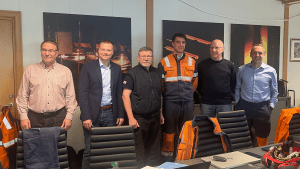
Operational Due Diligence of two Celsa EAF Steel Plants in the UK and Norway
Key Takeaways Here are five key takeaways from this document: Problem: A private investment firm needed operational due diligence to validate seller claims and uncover hidden technical or financial risks before acquiring two EAF steel plants in the UK and Norway. Challenge: The team uncovered critical “red flags” – including
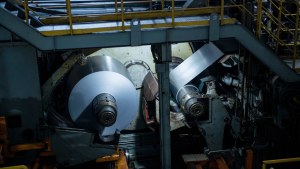
Reducing Steel Breakages and production stoppages in a cold rolling mill plant
Key Takeaways Problem: Frequent strip breakages and stoppages in a Bangladesh cold rolling mill. Diagnosis: 360° assessment identified process and procurement issues. Solution: Optimised rolling patterns, lubrication, and roll specifications. Enhancements: Improved pickling line and implemented alternative roll sourcing. Impact: +30% productivity, USD 35M revenue increase per annum, 3 new
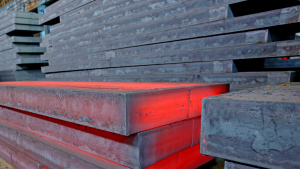
Addressing Edge Crack Issues in Duplex Stainless Steel during Hot Rolling
Key Takeaways Comprehensive Process Analysis – A systematic review of the hot rolling process identified key factors contributing to edge cracking in duplex stainless steel plates. Enhanced Product Quality – Improved slab handling, including edge chamfering, significantly reduced edge cracks and improved final product quality. Optimised Chemical Composition – Adjusting
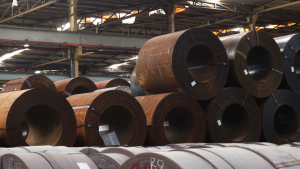
Optimising Pickling Line Conditions to Increase Efficiency
Key Takeaways Process Optimisation – Addressing inconsistencies in pickling improved overall efficiency and steel quality. Chemical Control – Regulating chloride levels and stabilising HCl, iron, and pH prevented over-pickling. Temperature Management – Better control reduced material inconsistencies before cold rolling. Quality Tracking & Training – Implementing staff training and monitoring

Controlling Spangle Formation During Galvanising process
Key Takeaways Precise Process Control is Essential – Managing zinc bath chemistry, cooling rates, and substrate standards helped achieve consistent spangle formation. Optimised Temperature Management – Adjusting burners to maintain a minimum strip temperature of 500°C improved spangle consistency. Unnecessary Additives Eliminated – Removing 53 metric tonnes of tin annually
Reducing Dross Formation and Zinc Consumption in Galvanising Line
Key Takeaways Process Optimization is Key – Adjusting operating parameters like temperature profiles and bath chemistry significantly reduced dross formation. Improved Material Handling Reduces Contamination – Better storage and handling of steel coils minimized iron fines and oil contamination, enhancing strip cleanliness. Enhanced Productivity & Cost Savings – Optimized zinc
Adjusting Reduction and Tension Patterns of Cold Rolled Steel
Key Takeaways Problem: A steel plant in Southeast Asia faced excessive steel breakages, averaging 8 per day—higher than the benchmark of 5 per day—leading to reduced throughput and increased costs. Challenge: Optimising reduction and tension patterns to improve process stability and product quality. Solution: Conducted a 360° diagnosis, identified reduction
Reducing Longitudinal Depression and Hot Cracking in Duplex Stainless Steel Slabs
Key Takeaways Problem: A stainless steel producer in Asia faced defects in duplex stainless steel slabs due to improper casting parameters and powder formulations. Challenge: Defects led to material loss, reducing yield and disrupting downstream operations. Solution: Identified defect causes, optimised casting settings and powder formulations, and provided staff training.
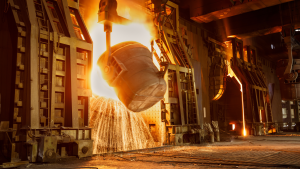
Optimising EAF Chromium oxide recovery and Oxygen Consumption for Duplex and Ferritic Stainless Steels
Key Takeaways Here are five key takeaways from this document: Problem: A client in Asia faced high oxygen and aluminium consumption in a 140-tonne EAF, leading to chromium losses in slag. Challenge: High operating costs due to inefficient raw material use and chromium losses. Solution: Reviewed and optimised EAF processes,
Optimising AOD Chemical Composition of Duplex Stainless Steel
Key Takeaways Problem: A stainless steel producer in Southeast Asia faced quality issues due to non-optimised chemical compositions, leading to frequent casting defects. Challenge: Needed to optimise chemical composition to ensure consistent product quality. Solution: Adjusted desulphurisation and decarburisation steps and proposed SOP modifications for better chemical control. Improvements: Reduced
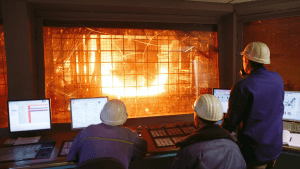
Operational excellence program at an Eastern European steel plant: Increasing yield by 15% with less than 1 million USD of capital expenditure
Key Takeaways Here are five key takeaways from this document: Problem: An Eastern European steel plant was underperforming, with low yield, high energy use, and inefficient scrap management. Budget for capital investments was very limited. Challenge: Key issues included long tap-to-tap times, outdated practices, and energy consumption far above benchmarks.